How to Pay Ground Rent in Abuja
Easily Pay Ground Rent in Abuja (Before It’s Too Late)
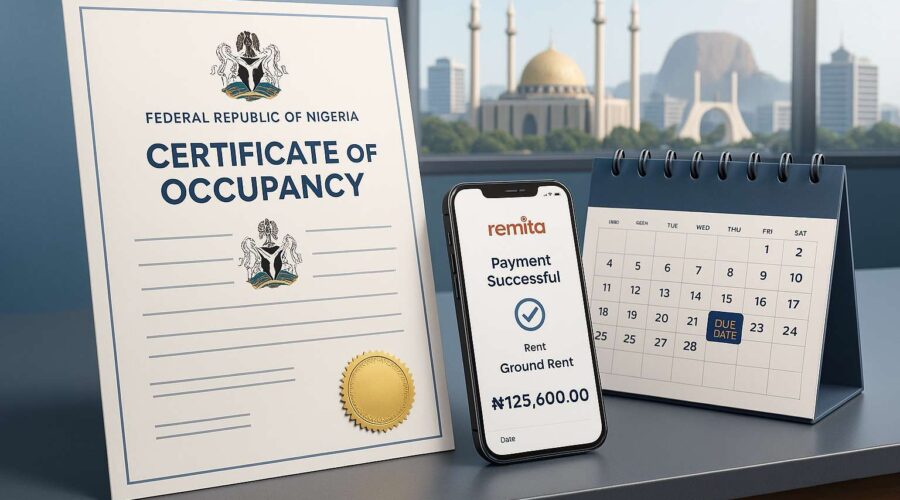
Ground rent is a crucial but often overlooked obligation for property owners in Abuja. Many people have lost their lands due to non-payment, especially after the FCT Minister’s recent crackdown. If you own property in Abuja, this guide will show you exactly how to pay your ground rent, avoid penalties, and keep your land secure.
Table of Contents
What is Ground Rent in Nigeria?
According to the Land Use Act, a federal law that governs land ownership in Nigeria, all lands within the country—including the Federal Capital Territory (FCT)—are vested in the government. When land is allocated to individuals or entities, it is essentially on a leasehold basis, often for a period of up to 99 years. In return, the occupier is expected to pay ground rent annually.
This fee is like a lease renewal—it keeps your legal hold on the property secure. Neglecting it puts you at risk of losing the land back to the government. Unfortunately, many have already faced revocation of their land titles due to unpaid ground rent, especially with the recent crackdown by the FCT Minister.
Why You Shouldn’t Ignore It
Ground rent might seem minor, but defaulting on it comes with major consequences:
- Land Revocation
- Legal Action
- Delayed Government Services (e.g., title upgrades, building plan approvals)
As more people become aware of these dangers, the urgency to comply is growing.
Failure to pay = Risk of revocation!
Watch the video below or proceed with the instructions highlighted in this article.

How to Pay Ground Rent in Abuja (Step-by-Step)
1. Check How Much You Owe via AGIS
Visit the Abuja Geographic Information System (AGIS) to get a ground rent report. The amount owed is calculated from the date your C of O or R of O was issued.
2. Generate a Remittance on Remita
- Go to Remita’s FHA payment portal
- Select “Ground Rent” as the payment category
- Enter the required details and generate an RRR (Remita Retrieval Reference) number
3. Make Payment
You can pay via:
✔ Bank transfer (using the RRR number)
✔ POS at approved banks
✔ Online payment (card or USSD)
4. Clear Fees at FCTA
Once payment is made:
- Take the payment receipt and RRR to the FCT Administration Revenue Office
- They will update your records and clear your outstanding fees
You’ll be given a clearance confirmation, and your land title will be safe—until the next yearly renewal.

Important Documents You Need
- Certificate of Occupancy (C of O) or Right of Occupancy (R of O)
- Government-issued identification
- Payment receipts from Remita
Avoid These Common Mistakes
❌ Assuming ground rent is optional – It’s mandatory!
❌ Delaying payment – Late fees and penalties apply.
❌ Ignoring AGIS updates – Always verify your dues.
By following this guide, you’ll stay compliant, avoid penalties, and protect your property in Abuja. Don’t wait—pay your ground rent today!
Need More Help?
✔ FHA Official Updates
✔ Professional Guide to Avoiding Revocation
FAQs on Ground Rent in Abuja
u003cstrongu003e1. What happens if I don’t pay ground rent?u003c/strongu003e
Your land u003cstrongu003ecan be revokedu003c/strongu003e by the u003ca href=u0022https://abujaguide.com.ng/ministers-and-administrators-of-abuja/u0022u003eFCT Ministeru003c/au003e. Many property owners have already faced this consequence.
u003cstrongu003e2. How much is ground rent in Abuja?u003c/strongu003e
It varies based on:u003cbru003e✔ u003cstrongu003eLocationu003c/strongu003e (high-demand areas like Maitama cost more)u003cbru003e✔ u003cstrongu003eLand sizeu003c/strongu003eu003cbru003e✔ u003cstrongu003eProperty typeu003c/strongu003e (residential vs. commercial)u003cbru003eFor exact rates, check u003cstrongu003eu003ca href=u0022http://agis.fcta.gov.ng/u0022u003eAGISu003c/au003eu003c/strongu003e.
u003cstrongu003e3. Can I pay ground rent online?u003c/strongu003e
Yes! Use u003cstrongu003eu003ca href=u0022https://remita.net/pay/FHAu0022u003eRemitau003c/au003eu003c/strongu003e for a seamless online payment process.
u003cstrongu003e4. What’s the difference between C of O and R of O?u003c/strongu003e
u003cstrongu003eC of O (Certificate of Occupancy)u003c/strongu003e = Full ownership rights, issued by the government.u003cbru003eu003cstrongu003eR of O (Right of Occupancy)u003c/strongu003e = Temporary rights, often given by indigenous landowners.u003cbru003eFor a deeper comparison, read: u003cstrongu003eu003ca href=u0022https://airealent.ng/type-of-land-title-documents-in-abuja-what-you-should-know/u0022u003eC of O vs. R of O – Key Differencesu003c/au003eu003c/strongu003e
Final Thoughts
Paying ground rent in Abuja is non-negotiable if you want to keep your property. Follow these steps, stay updated, and avoid the risk of losing your land.